

Turning Travel Data into Cost Savings: Why Travel Analytics Matter
Introduction
Corporate travel is one of the largest controllable expenses for many companies—yet it’s often one of the hardest to optimize. With business trips spanning departments, destinations, and dozens of vendors, getting a clear picture of spend and compliance can feel impossible. That’s where travel analytics comes in.
For finance leaders, operations teams, and travel managers looking to improve control, reduce waste, and make faster, smarter decisions, travel and expense analytics are no longer optional—they’re essential. This guide explores how data analytics in the travel industry can drive cost savings, enforce policies, and unlock real-time visibility across your entire travel program.
Main takeaways from this article:
- Travel analytics turns complex data into actionable insights that help companies reduce costs, improve policy compliance, and make smarter travel decisions.
- Key metrics—like average cost per trip and policy compliance rates—highlight performance trends and reveal opportunities for optimization across departments.
- Travel data analytics supports better vendor negotiations, more strategic budgeting, and faster approvals by making spend patterns and traveler behavior transparent.
- Mesh Payments streamlines corporate travel data analytics with real-time dashboards, AI-powered anomaly detection, and centralized visibility.
- Companies that operationalize travel analytics unlock measurable ROI through cost savings, improved efficiency, and more accountable travel programs.
What are travel analytics?
Travel analytics is the process of collecting, analyzing, and acting on travel-related data to improve cost efficiency, ensure policy compliance, and enhance travel management. It encompasses key areas such as spend tracking, vendor utilization, adherence to corporate travel policies, traveler behavior insights, and future travel forecasting. By leveraging travel analytics tools like Mesh, companies gain real-time visibility into corporate travel data analytics across departments, enabling smarter and faster decision-making. This strategic use of travel and expense data analytics empowers organizations to extract actionable insights and unlock meaningful cost savings.
What are travel data analytics used for?
Travel analytics isn’t just about collecting data—it’s about applying it to make smarter, faster, and more cost-effective decisions across the business. From optimizing vendor contracts to identifying policy gaps and forecasting future spend, travel and expense analytics help organizations turn insights into measurable impact.
Find cost-saving opportunities
Travel analytics help businesses identify inefficiencies in spending, such as frequent last-minute bookings, reliance on non-preferred vendors, or overspending by specific departments. By leveraging corporate travel data analytics, companies can pinpoint areas of waste and take corrective actions. These insights empower finance teams to set smarter budgets, optimize vendor negotiations, and reallocate resources where they’ll drive the greatest impact.
Improve policy compliance and enforcement
Business travel analytics reveal patterns of policy noncompliance, such as frequent seat upgrades, out-of-policy hotel bookings, or bypassed approval workflows. With this level of travel and expense data analytics, companies can tighten travel policies, standardize processes across departments, and educate employees on expectations. The result is a more consistent, cost-conscious travel program aligned with company goals.
Evaluate vendor performance and usage
With travel analytics tools, companies can track which vendors are used most frequently and assess whether they meet contracted rates, service level agreements, and traveler satisfaction benchmarks. This level of visibility from travel and expense analytics supports more strategic sourcing decisions and strengthens negotiation leverage with travel partners. By aligning vendor usage with business goals, organizations can drive greater value from their travel programs.
Support accurate insights and planning
By analyzing historical travel data, finance and operations teams can forecast upcoming costs, anticipate seasonal fluctuations, and evaluate trends at the department level. This use of data analytics in the travel industry enables more precise budgeting and strategic resource allocation across the business. Travel and expense analytics turn past behavior into future-ready planning.
Inform data-driven travel policy decisions
Corporate travel data analytics can uncover patterns such as frequent policy exceptions, high-cost booking behaviors, or underuse of preferred vendors. These insights provide a strong foundation for updating travel policies—whether it’s adjusting per diem rates, redefining approval thresholds, or refining vendor selection rules. By using travel analytics to inform policy changes, companies ensure their travel programs remain aligned with real-world needs and cost-saving goals.
Types of travel analytics
Travel analytics can track multiple layers of data—from high-level category spend like flights and hotels to granular insights on individual traveler behavior, booking patterns, and policy adherence. This multi-dimensional view enables organizations to harness the full potential of travel and expense analytics across their operations.
Spend by category
Breaking down travel spend by category allows companies to see exactly where their travel budgets are being allocated—and where unexpected cost increases may be occurring. Categories such as flights, lodging, meals, and ground transportation should be tracked individually to identify trends, monitor compliance, and benchmark performance over time. This level of travel and expense analytics is essential for uncovering hidden cost drivers and managing budgets more effectively.
Spend by department, team, or location
Analyzing travel spend by department, team, or location uncovers which areas of the business are driving the most travel costs—and where spending patterns may need adjustment. This level of business travel analytics promotes accountability at the department level and enables managers to plan more accurately, aligning travel budgets with operational priorities. It also empowers leadership to make data-informed decisions across regions and teams.
Vendor usage and performance
Tracking how often each travel vendor is used—and whether their rates and service levels meet expectations—is a key component of corporate travel data analytics. These insights enable procurement and travel teams to make informed decisions about contract renewals, vendor consolidations, or renegotiations. With the right travel analytics tools, companies can ensure every vendor relationship delivers maximum value.
Traveler behavior and booking patterns
Analyzing traveler behavior—like how far in advance bookings are made, how often upgrades are requested, or how frequently non-preferred vendors are chosen—provides valuable insight into policy adherence and traveler habits. These patterns, uncovered through travel and expense data analytics, can guide more targeted communication, training, and support to improve compliance and reduce unnecessary costs.
Policy compliance metrics
Policy compliance metrics show how well employees are adhering to booking guidelines, staying within approved travel limits, and submitting required documentation. By leveraging travel and expense analytics, companies can identify areas where compliance is falling short and take action—such as updating training materials, automating approval workflows, or flagging repeat violators for follow-up. This ensures travel policies are not only well-defined but also effectively enforced.
Key KPIs to Measure Travel Program Performance
Tracking the right KPIs ensures that travel analytics translate into smarter decisions and more efficient travel programs. With real-time analytics available through solutions like Mesh Payments, finance and travel leaders can monitor these critical metrics to drive performance and control costs.
- Average Cost per Trip: Tracks the total spend per trip across flights, lodging, meals, and transportation—helping identify cost trends and budget alignment.
- Policy Compliance Rate: Measures how consistently employees follow travel policies, offering insight into adherence and areas for improvement.
- Booking Window (Days in Advance): Analyzes how far in advance trips are booked, with longer lead times typically resulting in lower costs.
- Vendor Utilization Rate: Evaluates how often preferred vendors are used versus alternatives, informing contract negotiations and supplier strategy.
- Approval Turnaround Time: Tracks the time it takes for travel requests to be approved, highlighting opportunities to streamline workflows and avoid delays.
How to make informed decisions and cut costs
Data on its own doesn’t create value—it’s the strategic application of travel analytics that unlocks cost savings and operational improvements. By turning travel and expense data analytics into clear, actionable insights, companies can make informed decisions that reduce spend and enhance policy compliance.
Spot cost anomalies early
With travel and expense analytics, companies can quickly identify unusually high or unexpected travel costs—whether they stem from a specific vendor, employee, or department. These anomalies might include outlier bookings, sudden spikes in a category, or consistent overspending patterns. Catching these issues early enables finance teams to intervene proactively, preventing unnecessary spend before it escalates.
Refine approval workflows and booking rules
Travel analytics can uncover where approval delays, vague booking rules, or inconsistent enforcement contribute to costly or out-of-policy travel. These insights help companies streamline approval workflows and refine booking policies to better reflect real-world behavior and business needs. By aligning processes with actual travel patterns, organizations can boost compliance and reduce friction for travelers.
Improve vendor negotiation strategies
Vendor-level insights from travel analytics tools can strengthen negotiation power by highlighting booking volume, consistent spend, and traveler satisfaction. With this data in hand, companies are better positioned to secure more favorable rates, value-added perks like upgrades, or flexible cancellation terms. Data-driven negotiations lead to stronger, more cost-effective vendor partnerships.
Update travel policy based on usage patterns
Travel policies should reflect how employees actually travel—not just how companies expect them to. By analyzing real-world usage patterns through travel data analytics, businesses can determine if per diem rates are realistic, if approval rules are too restrictive, or if preferred vendors are being underutilized. These insights support policy updates that balance control with flexibility and improve overall program effectiveness.
Key steps for using travel analytics to make informed decisions
For teams looking to build or enhance their travel analytics program, it’s essential to go beyond data collection and focus on consistent application across the organization. This practical guide outlines the steps needed to turn travel and expense data analytics into actionable strategies that drive smarter decisions and measurable results.
Centralize business travel expenses from all data sources
To maximize the impact of travel analytics, companies should consolidate all travel and expense (T&E) data into a single platform. This eliminates the need for manual report merging and ensures that finance teams have a unified view of spend across departments and systems. Centralized travel data analytics streamlines analysis, improves accuracy, and accelerates decision-making.
Automate reporting with real-time dashboards
Instead of relying on static Excel sheets, teams should implement real-time dashboards that automatically update with the latest travel and expense data. These dynamic dashboards keep stakeholders aligned with current trends and streamline monthly or quarterly performance reviews. With real-time travel analytics tools, decision-makers can respond quickly to emerging patterns and opportunities.
Build reports for multiple stakeholders
Different teams—like finance, operations, and department heads—need tailored insights from the same travel data. While finance may focus on budgets, operations might prioritize efficiency, and department heads care about traveler experience and compliance. Customizing travel analytics reports to match each audience’s priorities ensures the data is relevant, actionable, and impactful across the organization.
Use analytics to revisit your travel policy quarterly
Rather than relying on outdated or static rules, companies should use travel and expense analytics to inform quarterly policy reviews. By regularly examining compliance trends, shifting cost patterns, and recurring issues, organizations can refine policies and approval workflows to better reflect current travel behavior and business needs. This proactive approach keeps travel programs agile, effective, and aligned with strategic goals.
How Mesh Payments supports travel analytics
Mesh Payments helps companies transform raw travel data into actionable insights through automation, smart categorization, and real-time analytics. With a suite of built-in travel analytics tools, Mesh empowers finance and operations teams to make faster, data-driven decisions and uncover meaningful cost-saving opportunities.
- AI-Powered Analytics and Anomaly Detection: Mesh uses AI to surface unusual spend patterns and highlight outliers before they escalate into costly issues.
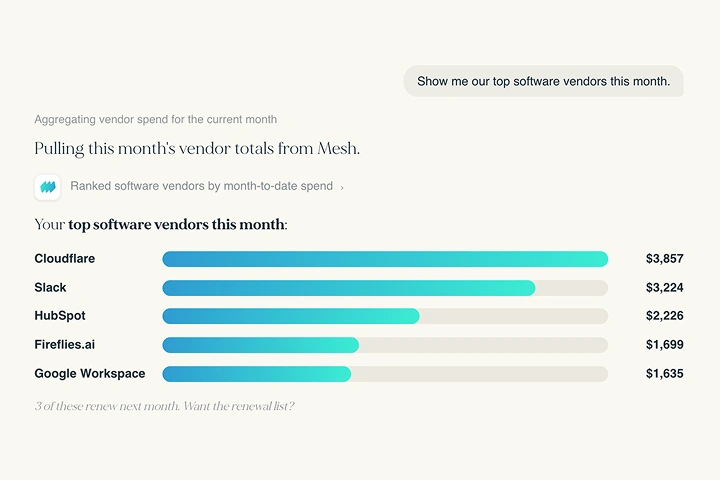
- Real-Time Dashboards and Visual Reporting: Instantly access up-to-date travel and expense analytics through dynamic dashboards that make trends easy to understand and share.
- Policy Tracking and Compliance Logs: Monitor adherence to travel policies with detailed compliance tracking and historical logs for approvals and exceptions.
- Integrated Expense and Travel Visibility: Get a unified view of corporate travel data analytics across bookings, transactions, and departments—all in one platform.
Drive better decisions with smarter travel analytics
Travel analytics is a powerful tool for driving cost control, improving policy compliance, and enabling smarter, more strategic decision-making across every department. By transforming complex corporate travel data into clear, actionable insights, businesses can proactively manage spend, enforce policies, and support operational goals.
Mesh Payments empowers companies to unlock the full potential of travel and expense analytics through centralized dashboards, automated spend categorization, and AI-powered anomaly detection—all in real time.
Ready to gain visibility and cut travel costs with ease?
-
Get the latest blogs from Mesh by subscribing to our newsletter
Manage Your Payments With Full Control & Visibility